How Long Does Red Light Therapy Take to Work? A Week-by-Week Timeline
Weeks 1–3 are supposed to look like nothing. Here is what actually changes between weeks 4 and 12, how to photograph the difference, and when it is fair to conclude a device is not working.

The mask arrived, you have been using it as directed, and you are staring at the mirror looking for a change. Nothing yet. Is it working? Is it too early? Should you have bought something else?
Here is the honest timeline, week by week — including the part most brands leave out: the first three weeks are supposed to look like nothing.
The short answer
Most people notice early changes in skin texture and tone somewhere between weeks 4 and 8 of consistent use. Firmer-feeling skin, softer-looking fine lines, and calmer breakouts typically build between weeks 8 and 12. Anything you think you see in week one is usually just the glow of a warm, well-hydrated face.
"Consistent" is doing a lot of work in that sentence. It means 3–5 sessions a week, not whenever you remember. The timeline below assumes that.
Why it takes weeks, not days
LED light therapy is not a chemical peel. Nothing is being removed or resurfaced. Light energy is absorbed by your cells and supports the repair processes your skin already runs on its own — collagen activity, cellular energy production, the inflammatory response. Those processes operate on a biological calendar measured in weeks.
This is also why a single long session cannot shortcut the timeline. Your skin does not bank light. It responds to repeated, moderate doses delivered over time.
Week by week: what to actually expect
| Timeframe | What most people notice | What to do |
|---|---|---|
| Weeks 1–2 | Usually nothing visible. Skin may feel slightly warm after sessions. | Build the habit. Do not change anything else in your routine. |
| Weeks 3–4 | Skin may feel smoother to the touch. Makeup can sit more evenly. | Start your fortnightly progress photos now — you have a baseline. |
| Weeks 5–8 | The first changes visible to other people: brighter, more even tone. Breakouts often start calming in this window. | Hold the schedule. This is where most people quit and lose the investment. |
| Weeks 9–12 | Firmer-feeling skin; fine lines around the eyes and mouth look softened rather than erased. | Compare week 1 against week 12 photos side by side. |
| Month 4+ | Gradual refinement. This is where longer-term users report the most difference. | Step down to 2–3 sessions per week to maintain. |
Different concerns move at different speeds
Breakouts and blemish-prone skin
Often the fastest category. Blue light targets bacteria involved in inflammatory breakouts, and many users report calmer skin within 4 to 6 weeks. Post-inflammatory marks fade on their own timeline and take considerably longer.
Fine lines and wrinkles
The slowest, and the one people judge most harshly at week three. Red light supports collagen activity, which is a structural change — expect 8 to 12 weeks before a fair assessment, and up to six months for deeper lines.
Neck and décolleté
Neck skin is thinner and shows age earlier, but it also tends to respond visibly once a consistent routine is in place. Give it a full 12 weeks before judging, and photograph the area in the same light — neck changes are easy to miss in a mirror.
How to tell whether it is working
Memory is a poor measuring instrument, and lighting changes more than your skin does. Two things make the difference:
- Same light, same angle, every two weeks. Phone camera, bathroom or window light, no filter, no makeup. Take front-on and both profiles.
- Photograph the area you are actually treating. If neck lines are your concern, a selfie of your face tells you nothing about them.
When people say light therapy "did nothing," it is usually because they are comparing a memory against a mood rather than two photos against each other.
What slows results down
- Irregular sessions. The single biggest factor. Three sessions one week and one the next is not a routine.
- Doubling up to catch up. Longer or doubled sessions do not repay missed ones.
- Applying strong actives immediately before. Let the light reach clean, dry skin, and apply actives afterwards.
- Judging at week three. You are measuring during the investment phase.
- Expecting erasure. Softening is the realistic outcome. Deep-set lines and significant volume loss are a different conversation.
When to conclude it is not working
Give any device a fair run: 12 weeks at 3–5 sessions per week, with photos to compare. If there is genuinely no change in texture, tone, or breakout frequency at that point, the most likely explanations are a device whose wavelengths are not disclosed or not in the effective range, sessions that were too infrequent, or a skin concern that is not something light therapy addresses.
That is why published wavelengths and a stated session protocol matter more than the marketing on the box. A mask that will not tell you its nanometers is asking for trust it has not earned.
Frequently asked questions
Can results really appear in two weeks?
Occasionally, and usually as smoother-feeling skin rather than visible change. Treat anything faster as a bonus, not a benchmark.
Do results fade if I stop?
Yes, gradually — the same way fitness does. This is why the maintenance phase matters: 2–3 sessions a week holds what 4–5 sessions a week built.
I saw nothing by week 6. Should I give up?
No. Week 6 is mid-timeline. Check that your frequency has genuinely been 3–5 sessions a week and that your photos are comparable, then continue to week 12.
Is a more expensive mask faster?
Price does not accelerate biology. What matters is that the wavelengths are real, disclosed, and matched to your concern — and that you use the device consistently.
Where to start
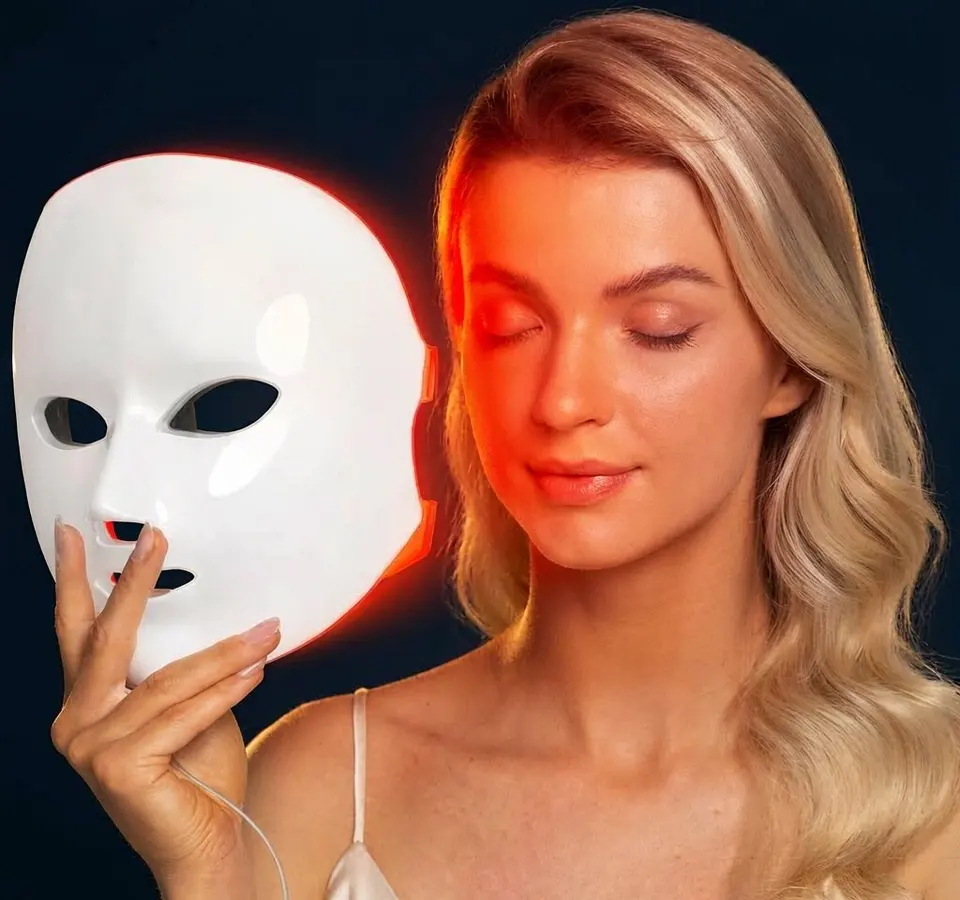
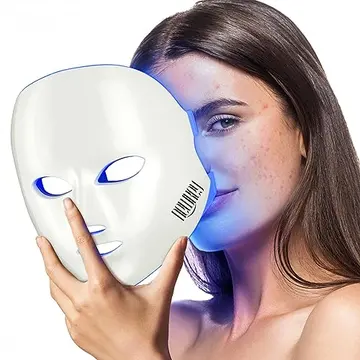
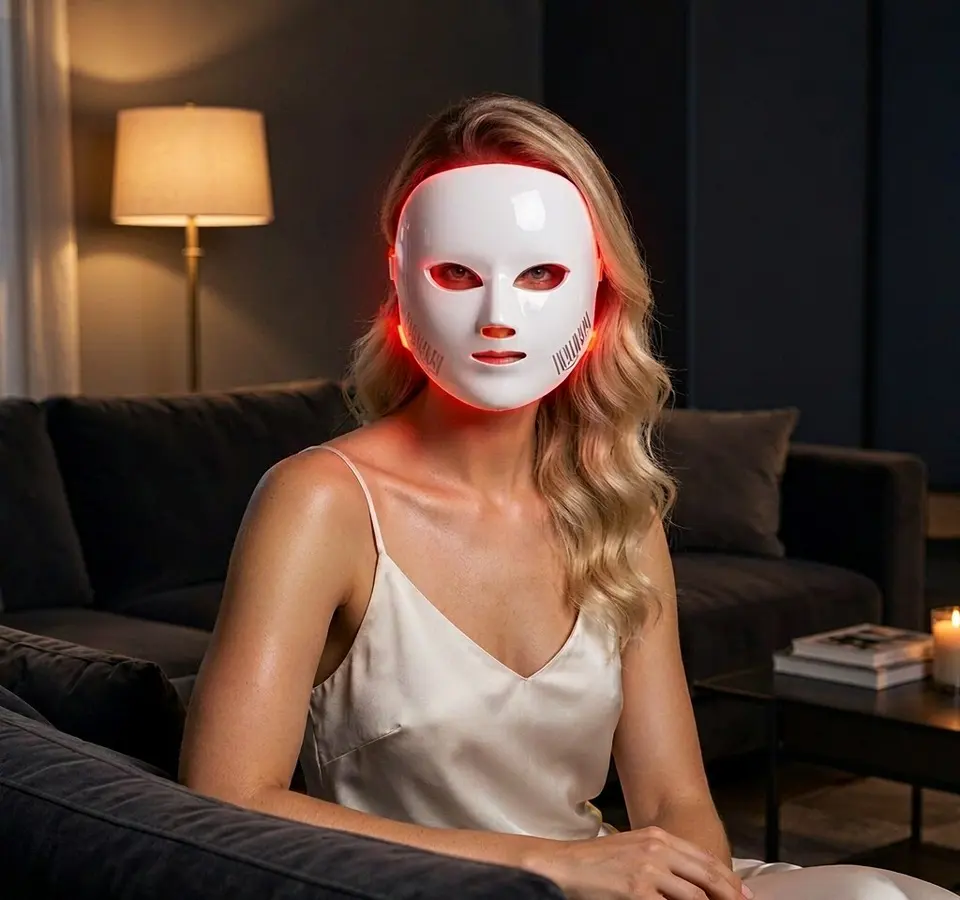
A fair test needs three things: disclosed wavelengths, a fixed session length, and a schedule you will actually keep. The NEWKEY 4D LED Face Mask runs seven calibrated wavelengths on a 10-minute auto-timed session, and the Red & NIR Neck Mask applies the same protocol in a cordless format for neck and décolleté.
Give it twelve weeks, photograph the journey, and judge it against evidence.
Ready to Transform Your Skin?
Explore our LED devices — the 4D mask is FDA-cleared — and start your clinical skincare journey today.
Shop Collection